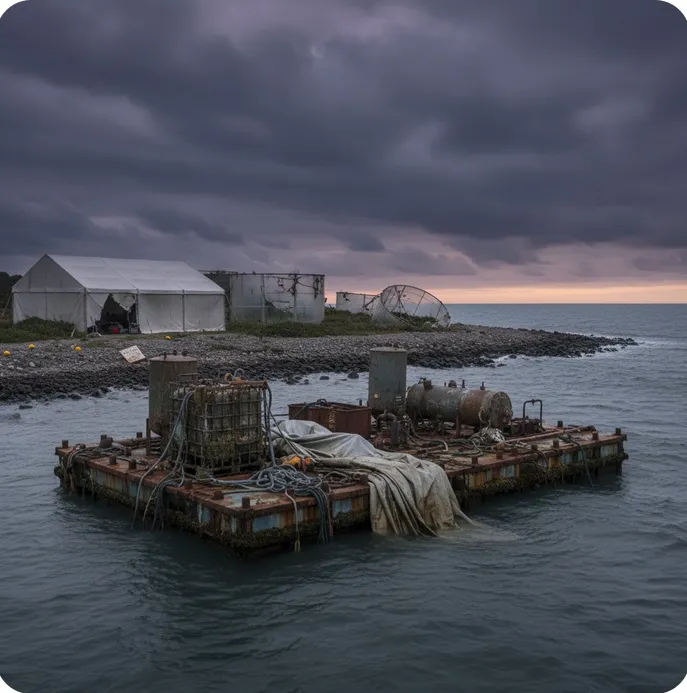
In the fast-evolving world of climate technology, few ideas captured the imagination quite like harnessing the vast oceans to pull excess carbon dioxide from the atmosphere. One startup, in particular, positioned itself at the forefront of this frontier: developing innovative ways to grow macroalgae on floating structures, enhance ocean alkalinity, and sink biomass to lock away carbon deep below the waves. Backed by major tech giants eager to offset their emissions, it promised scalable, nature-inspired solutions to one of humanity's biggest challenges.
Yet, by mid-2024, this promising company had ceased operations, leaving behind questions about the viability of ocean-based carbon removal, the rush to commercialize unproven methods, and the environmental trade-offs involved. Its story highlights the excitement, hurdles, and pitfalls in the burgeoning field of marine carbon dioxide removal (mCDR).


The Vision: Partnering with the Ocean
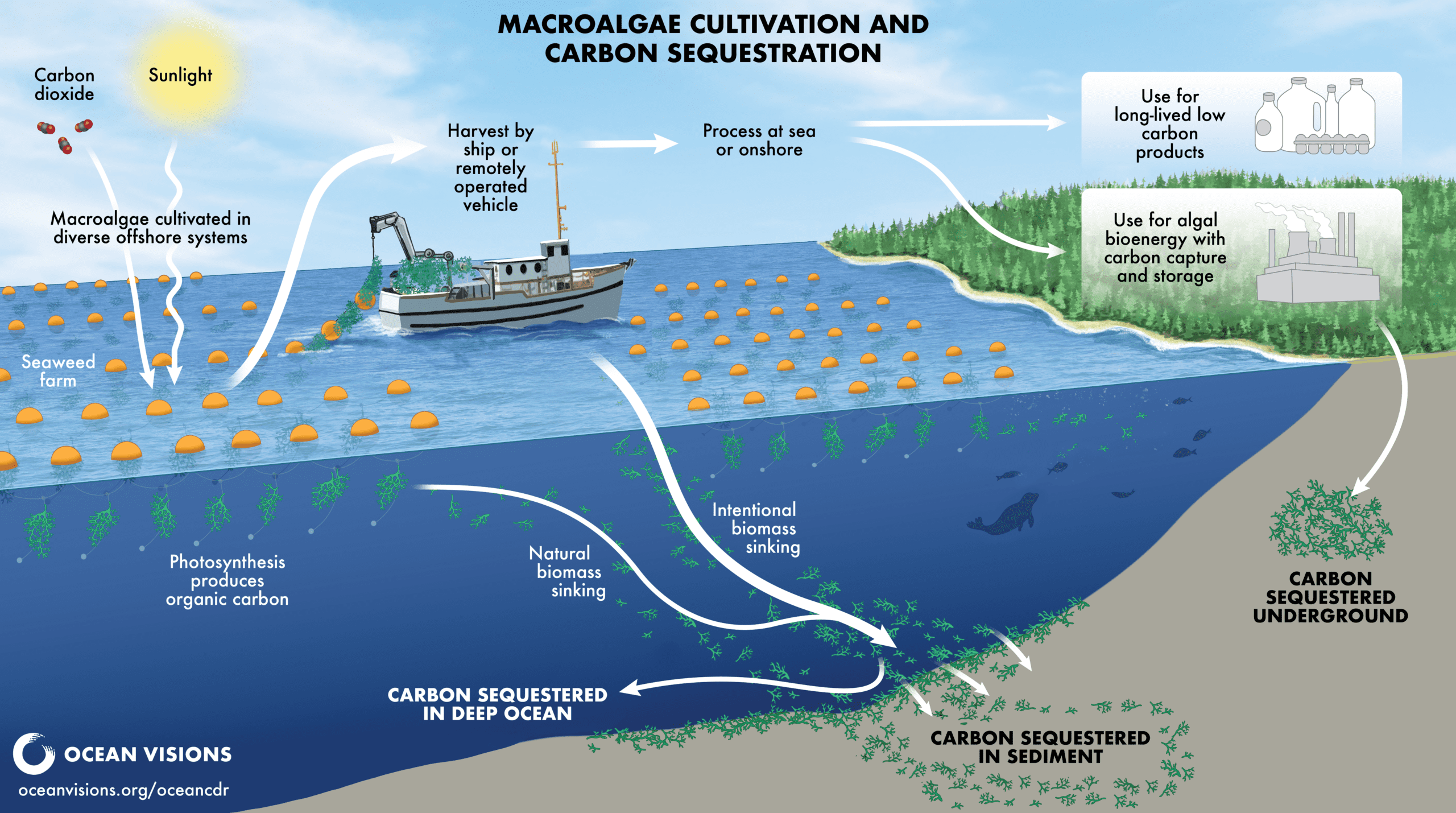
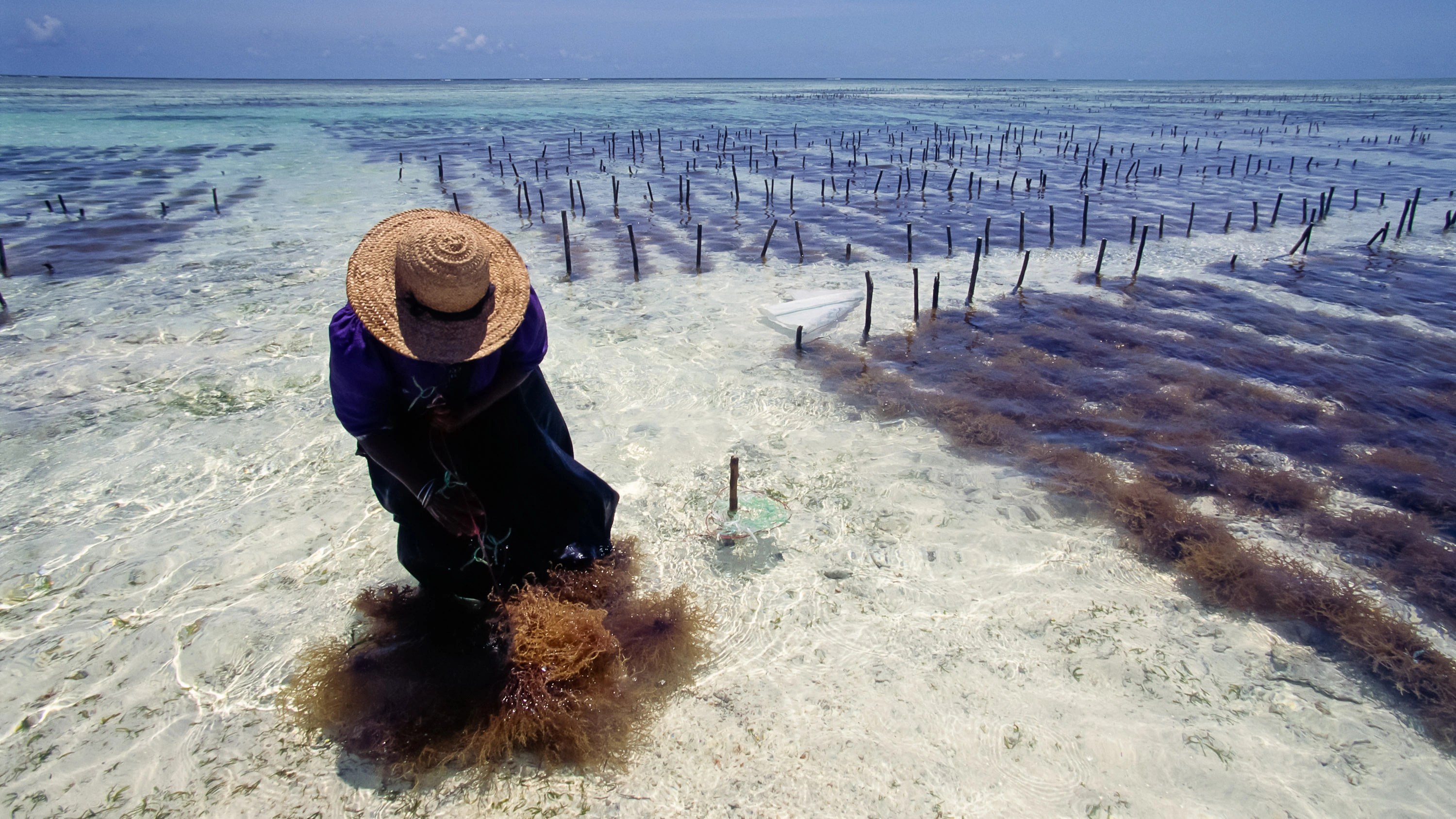
The company emerged from humble roots in aquaculture, founded by an entrepreneur with a background in fishing and a passion for ocean health. The core idea was elegant: create biodegradable buoys from sustainable materials like forestry byproducts, coat them with alkaline substances to counteract ocean acidification, seed them with fast-growing kelp or other macroalgae, and deploy them in the open sea.
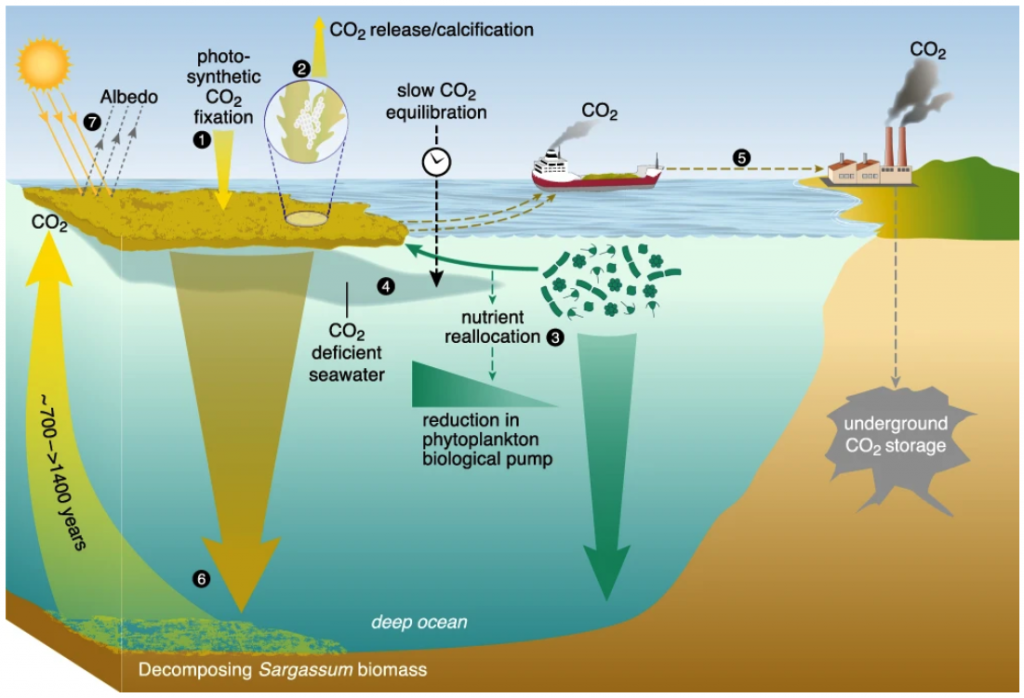
As the algae grew, it would absorb CO₂ through photosynthesis. Eventually, the structures would sink under their own weight, carrying the captured carbon to the deep ocean floor—where it could remain sequestered for centuries or millennia. This multi-pronged approach aimed to amplify natural carbon cycles: biological uptake via algae, chemical enhancement via alkalinity, and physical storage via sinking biomass.
Early on, the concept attracted significant attention. Tech companies, seeking high-quality carbon credits to meet net-zero goals, signed on as pre-purchasers. Deals with household names in e-commerce, software, and payments provided millions in funding and validation. Venture capital followed, fueling expansion to over 100 employees at its peak and operations spanning multiple countries.
The appeal was clear. Oceans already absorb about a quarter of human-emitted CO₂, but acidification and warming threaten this natural service. Proponents argued that carefully designed interventions could restore and enhance this capacity at scale—potentially removing gigatons annually without competing for land.
Scaling Up: From Kelp Buoys to Biomass Sinking
Initial experiments focused on growing kelp in controlled settings and testing small-scale deployments. But challenges arose quickly. Open-ocean cultivation proved far more difficult than anticipated: unpredictable currents, nutrient scarcity, storms, and biofouling hampered consistent algae growth.
To meet contractual obligations for carbon credits, the company pivoted. While publicly emphasizing kelp, operations shifted toward sinking terrestrial biomass—primarily wood residues from forestry operations that would otherwise decompose or be burned. These materials were treated with alkaline coatings (like limestone dust) to boost ocean pH and then deployed in large volumes.
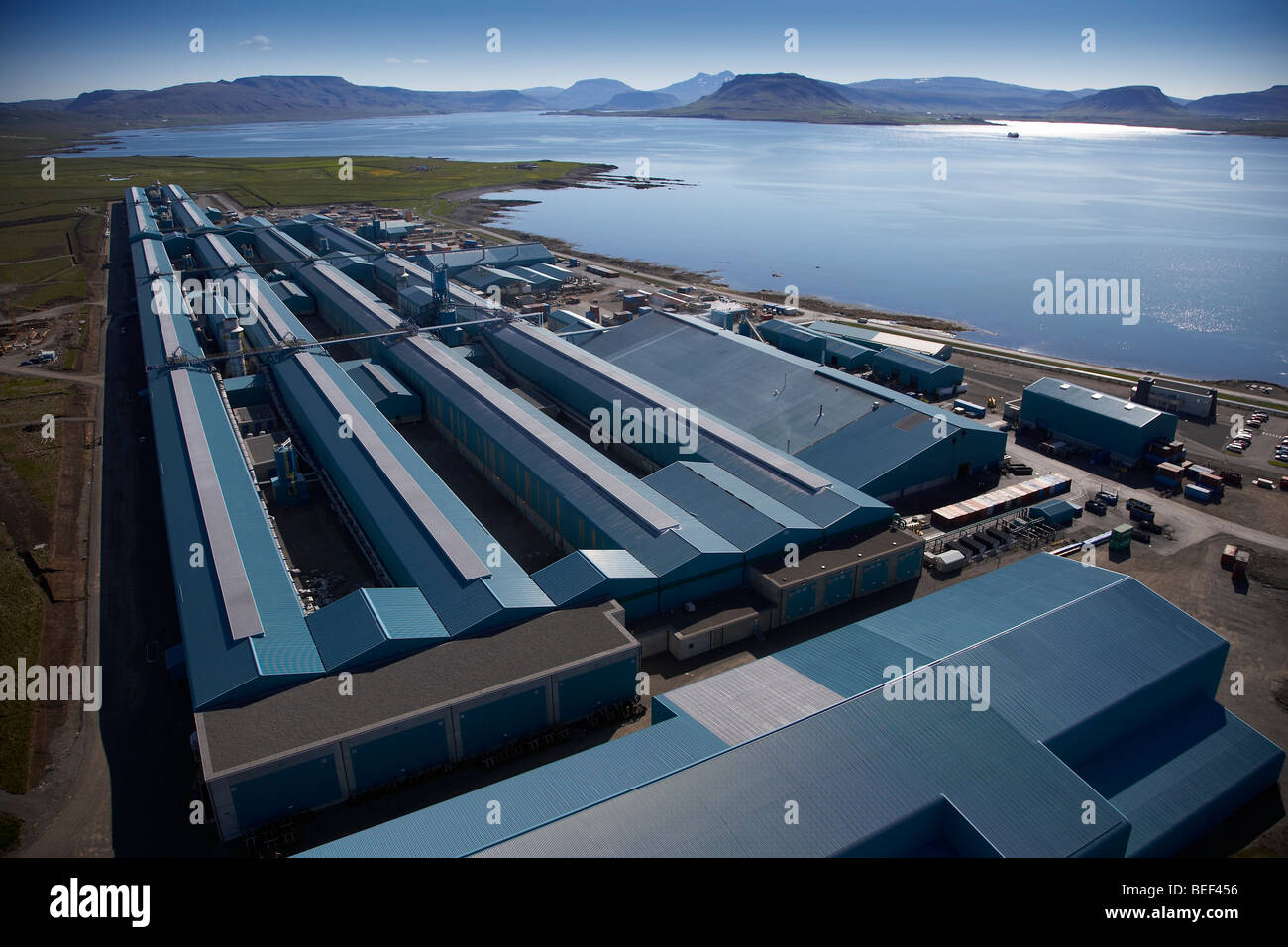
In one key location—an industrial harbor in western Iceland, surrounded by fjords and heavy industry—the company established a base. Here, shipments of Canadian-sourced wood arrived, were processed, and loaded onto vessels for offshore release. Over several months in 2023, thousands of tons were sunk in multiple deployments, far from shore.

The rationale: This biomass embodied carbon that would soon return to the atmosphere on land. By sinking it deep, it mimicked natural processes where woody debris occasionally ends up on the seafloor. Combined with alkalinity enhancement, it could achieve verifiable removal.
Credits were issued based on models, sensors, and third-party audits, fulfilling deals worth millions. Buyers hailed it as a breakthrough in open-ocean removal.
Cracks in the Foundation: Scientific and Practical Hurdles
Despite the optimism, doubts mounted. Independent experts questioned whether the sunk material truly sequestered new carbon—much of it was "fast-cycle" biomass not directly tied to atmospheric drawdown. Monitoring proved limited: trackers lost signal shortly after deployment, making long-term verification difficult.
Environmental concerns grew louder. Large-scale biomass sinking risked creating low-oxygen "dead zones," disrupting deep-sea ecosystems, or altering food webs. Critics argued the approach resembled prohibited ocean dumping under international treaties, even if framed as research.
Regulatory scrutiny intensified. Permits initially granted for experiments faced challenges as volumes escalated. Some scientists worried the rush to scale bypassed rigorous impact assessments.
Internally, staff turnover and shifting strategies signaled struggles. The voluntary carbon market, reliant on corporate buyers, cooled amid broader skepticism about offsets.
The End: Market Realities Catch Up
By early 2024, financial pressures became insurmountable. Despite delivering on key contracts and claiming thousands of tons removed, demand for premium ocean-based credits didn't materialize at the needed scale. Venture funding dried up in a tougher climate tech landscape.
In June 2024, the CEO announced the wind-down on social media, citing insufficient market support for urgent, large-scale removal. Operations halted abruptly, laying off remaining staff. Leftover materials piled up at sites, and questions lingered about legacy impacts.


The closure sent ripples through the industry. It underscored the gap between pilot success and commercial viability in mCDR.
Lessons for the Future of Ocean-Based Carbon Removal
This venture's trajectory offers sobering insights as we approach 2026. Ocean methods hold immense potential—leveraging a planetary-scale sink—but face unique barriers:
- Technical Complexity: Open-ocean environments are harsh and variable. Growing algae at scale remains elusive, pushing reliance on simpler (but less innovative) biomass approaches.
- Verification Challenges: Proving additionality, permanence, and no leakage is harder at sea than on land. Robust monitoring, reporting, and verification (MRV) protocols are evolving but immature.
- Environmental Risks: Interventions must avoid unintended harm. Creating dead zones or disrupting biodiversity could outweigh benefits.
- Regulatory Gaps: International frameworks like the London Protocol restrict marine geoengineering. National rules vary, creating uncertainty.
- Market Dynamics: Voluntary buyers dominate, but scrutiny over offset quality has slowed growth. Stronger demand signals—perhaps from policy mandates—are needed.
Yet, progress continues. Other players refine alkalinity enhancement, seaweed cultivation, and electrochemical methods. Research consortia push for better modeling and field trials. In 2025, reports emphasized cautious, science-led scaling.
The ocean will play a vital role in climate restoration, but only with patience, transparency, and rigor. Rushing unproven ideas risks setbacks; thoughtful iteration builds lasting solutions.
As we reflect on this chapter, it's clear: Ambitious climate tech demands not just innovation, but resilience against hype, hurdles, and hard realities. The tide may have turned quietly for one pioneer, but the broader quest to heal our oceans—and planet—presses on.