
As the world races toward cleaner energy sources to combat climate change and meet exploding electricity demands—especially from data centers and AI infrastructure—geothermal power is emerging as a reliable, round-the-clock renewable option. Unlike solar or wind, which depend on weather, geothermal taps into the Earth's constant internal heat, providing baseload power with minimal emissions. Yet, for decades, expanding geothermal has been hampered by the challenge of finding viable underground reservoirs, particularly "blind" ones that show no surface clues like hot springs or geysers.
In late 2025, a breakthrough announcement from a Utah-based exploration company highlighted how artificial intelligence is changing that. The firm revealed it had pinpointed and confirmed a completely hidden geothermal system in remote western Nevada—dubbed "Big Blind"—with temperatures around 250°F and potential to support a large-scale power plant. This marks a rare industry-first in over three decades for discovering a truly blind, commercially promising site from scratch.
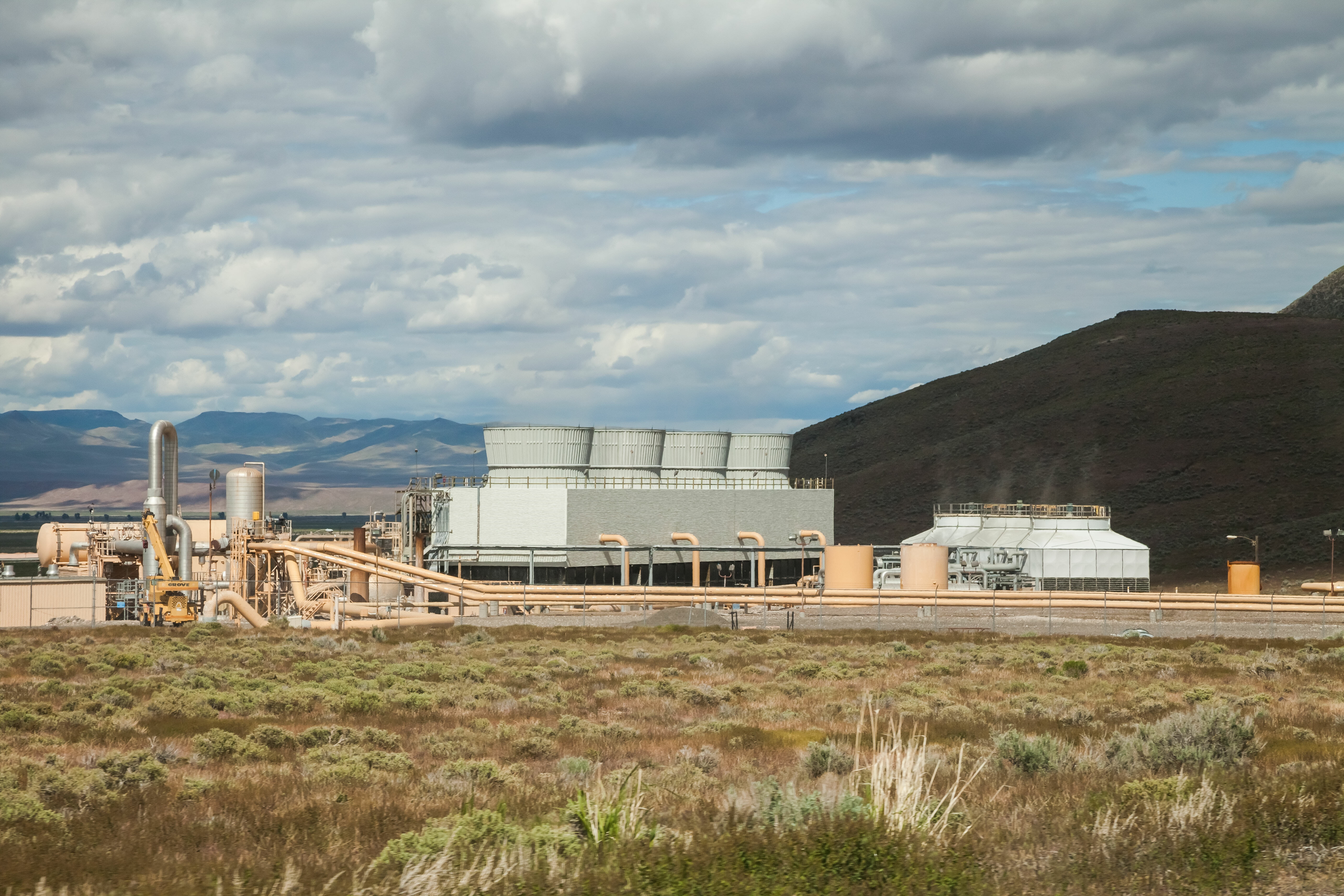

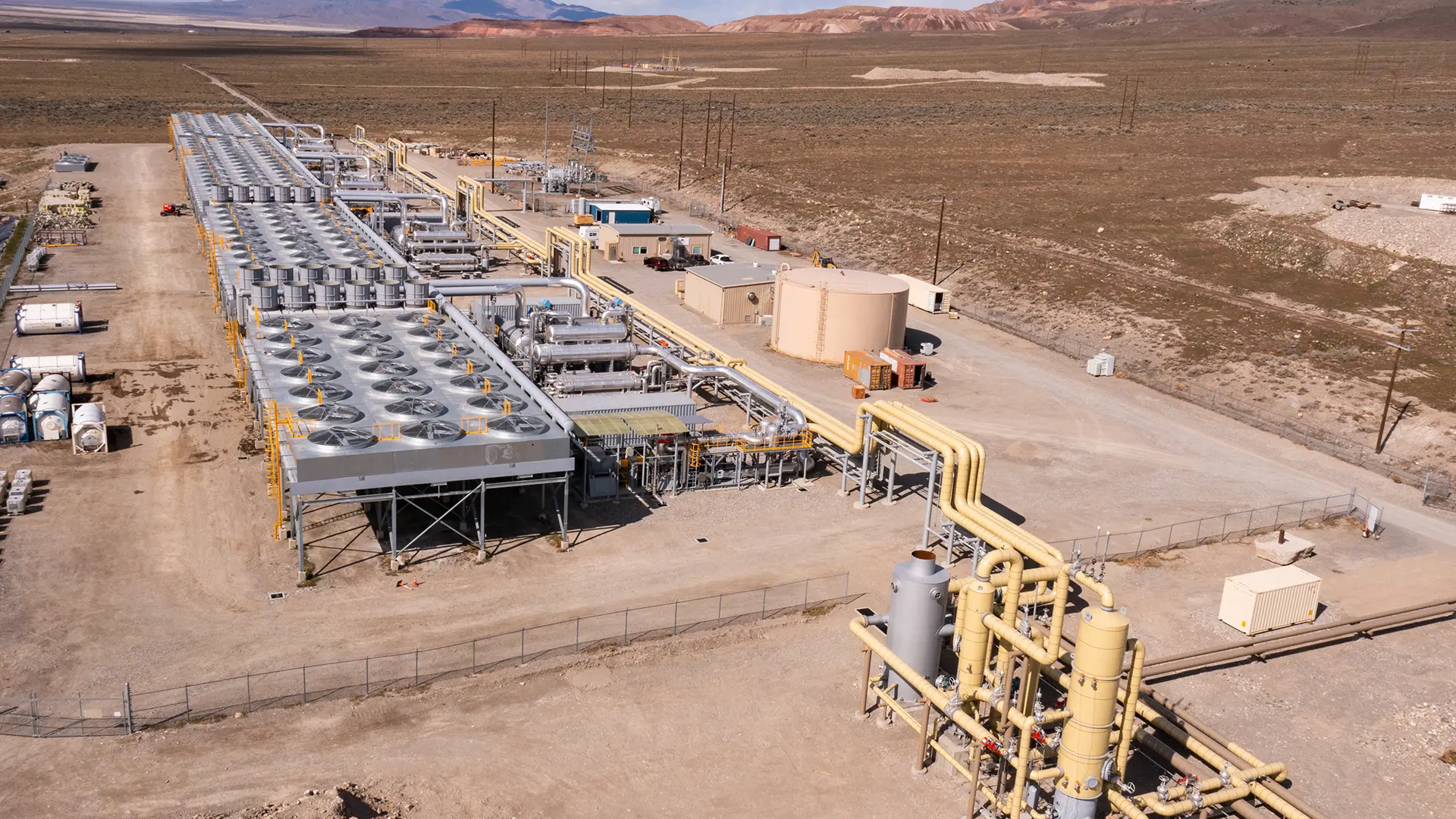
This discovery isn't just a win for one company; it signals a potential renaissance for conventional geothermal energy, proving that vast untapped resources may still lie beneath our feet, waiting to be uncovered with smarter tools.
Understanding Geothermal Energy: The Power Beneath Our Feet
Geothermal energy harnesses heat from the Earth's core, generated by radioactive decay and residual formation heat. Hot water or steam from underground reservoirs is brought to the surface to spin turbines, generating electricity. In places with obvious surface features—like Iceland's geysers or Yellowstone—this has been straightforward for over a century.
But most promising resources are "blind": deep reservoirs with high heat but no visible indicators. Experts estimate that over 75% of U.S. geothermal potential falls into this category, concentrated in the western states. Traditional exploration relied on costly, hit-or-miss drilling, often guided by limited data like fault lines or gravity readings. Success rates were low, deterring investment after booms in the 1970s-80s fizzled.
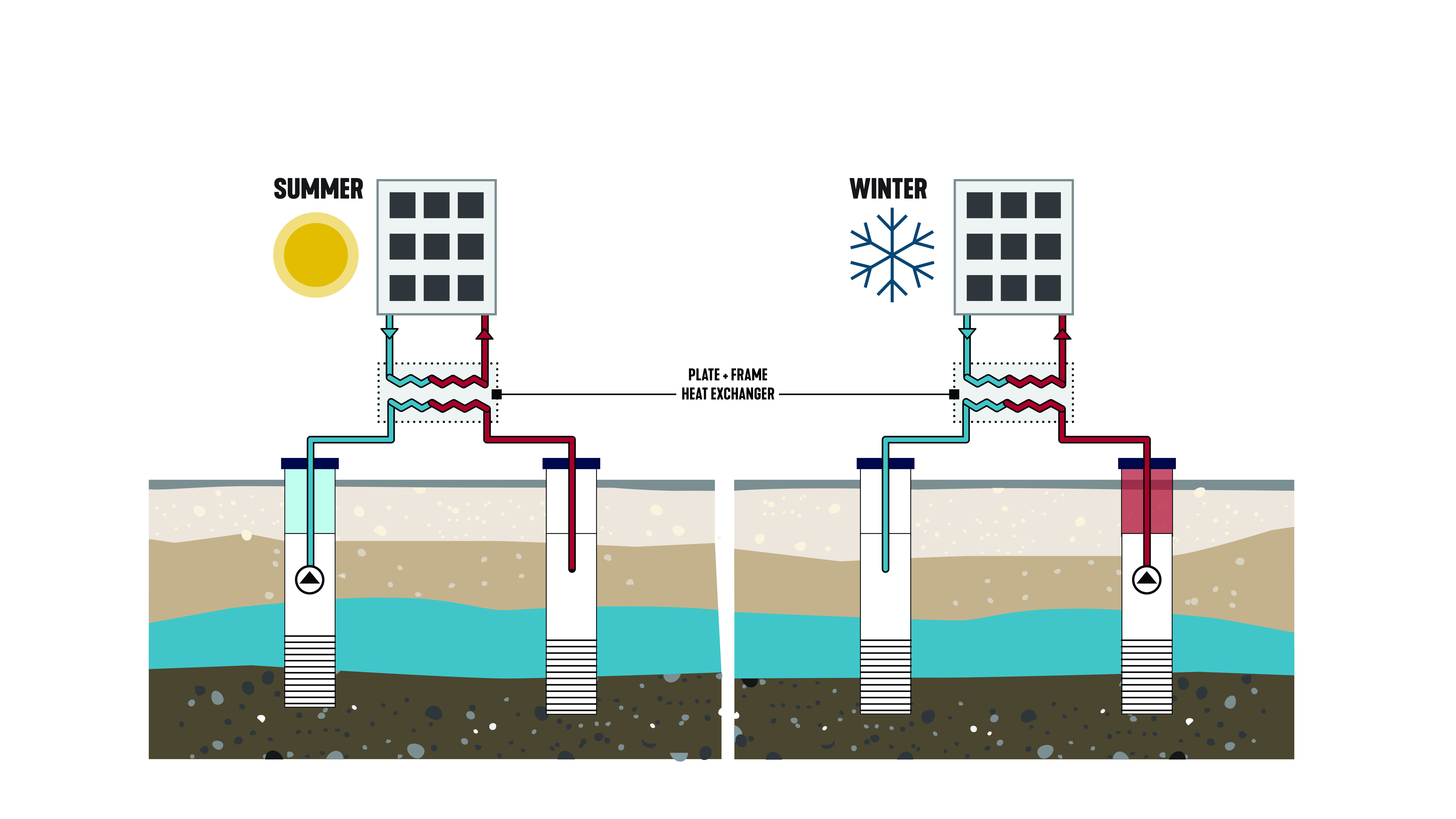

Today, geothermal supplies less than 1% of U.S. electricity, but its potential is enormous: estimates suggest undiscovered systems could yield tens to hundreds of gigawatts—enough to power millions of homes reliably.
The Role of AI in Transforming Exploration
Enter artificial intelligence. Modern geothermal pioneers are using machine learning to process vast datasets: seismic surveys, magnetic fields, rock compositions, historical well logs, and more. AI models identify subtle patterns signaling hidden hot zones, dramatically reducing the "needle in a haystack" problem.
The recent Nevada find exemplifies this. Field surveys detected an anomaly suggesting high underground heat flow. AI then analyzed the data to predict optimal drilling spots, factoring in permeability and reservoir extent. Exploratory wells in mid-2025 confirmed a viable reservoir at modest depths, with characteristics suitable for over 100 megawatts of output using standard technology.


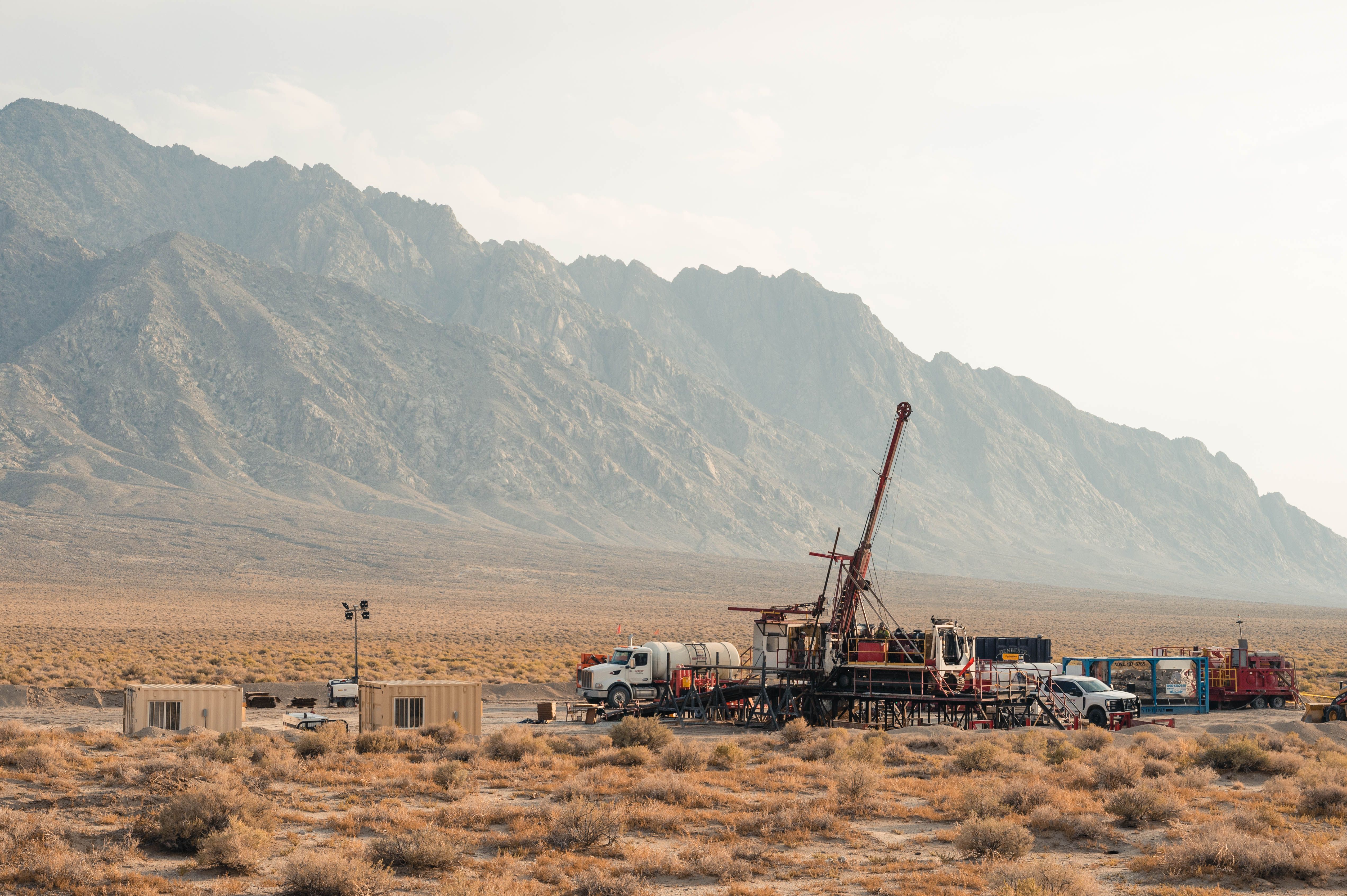
This approach builds on academic work cataloging known systems' traits to hunt for others. By digitizing old records and layering new data, AI achieves higher precision and lower costs—reportedly an order of magnitude cheaper per megawatt than past efforts.
Why This Discovery Matters in 2025
The "Big Blind" site has no prior exploration history or surface hints—making it a pure AI-driven success. It's the company's third major find in recent years, following revivals in New Mexico and another Nevada location. Plans include further drilling, permitting, and grid connection, with power potentially online in 3-5 years.
Experts call it "promising" and "significant," challenging the narrative that prime conventional sites are exhausted. While "enhanced" geothermal (fracking hot dry rock anywhere) grabs headlines, this proves naturally occurring systems remain abundant and quicker to develop.


In a year of soaring energy needs, geothermal's firmness complements intermittents. It could power AI data centers sustainably—ironically, using AI to find the fuel.
Challenges and the Road Ahead
Success isn't guaranteed. Verification requires deeper wells to assess full capacity, flow rates, and longevity. Permitting, environmental reviews, and infrastructure pose hurdles. Water use and induced seismicity need careful management.
Yet, momentum builds: more AI applications in reservoir modeling, drilling optimization, and risk assessment. Policy support, like streamlined reviews, accelerates projects.
A Brighter, Hotter Future
This Nevada breakthrough underscores geothermal's resurgence. By making hidden resources visible, AI could unlock gigawatts of clean, always-on power. As we end 2025, it's a reminder: some of the best solutions to modern challenges lie deep underground, waiting for smarter ways to reach them.
The tide may finally be turning for geothermal—heated by innovation from below and above.