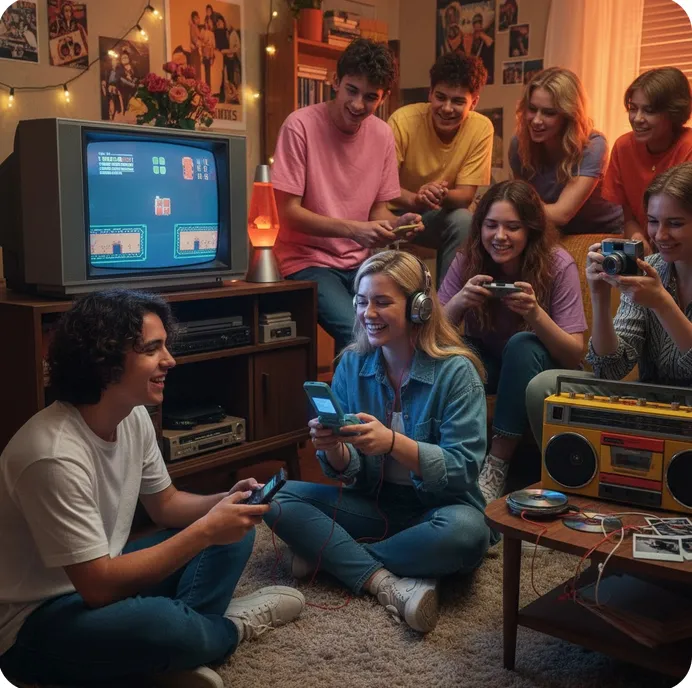
In 2026, a curious trend is sweeping through the younger generation: a fascination with retro technology. Teens and young adults, collectively known as Generation Z, are increasingly turning away from purely digital experiences and gravitating toward gadgets, media, and devices that were popular decades ago. From vinyl records and DVDs to handheld gaming consoles and disposable cameras, it seems that nostalgia is no longer reserved for older generations. Instead, it has become a defining feature of how young people engage with media, entertainment, and technology today.
But what drives this growing appetite for retro tech? Why are teens and early twenty-somethings seeking out experiences rooted in the past, even as the digital world offers convenience and instant gratification? In this blog post, we’ll explore the phenomenon, delve into the motivations behind it, examine the social and cultural implications, and speculate on where this trend might lead next.
The Retro Tech Renaissance: What’s Being Revisited
The types of retro tech attracting Gen Z are diverse, but several categories stand out:
1. Physical Media: DVDs, Blu-Rays, and Box Sets
While streaming platforms like Netflix, Disney+, and Amazon Prime Video dominate the entertainment landscape, many young people are rediscovering the value of physical media. Declan, a 17-year-old, is a case in point. He spends hours browsing through stacks of DVDs and box sets, drawn not just to the films themselves, but to the tangible experience of holding a disc in his hands.
“The main selling point for me is the cases,” Declan says.
“There’s something about really clean cases that I love. It feels like ownership, unlike streaming subscriptions.”
For Declan and others, DVDs offer a sense of permanence and control that streaming cannot provide. Losing access to a subscription service wouldn’t erase their collection. The physicality of media—boxes, labels, and artwork—adds an aesthetic and tactile layer to consumption, transforming movies into collectibles rather than fleeting digital files.
Retailers have noticed the demand. Stores like Currys and John Lewis have reported spikes in DVD, Blu-Ray, and box set sales, suggesting that Gen Z’s interest in old-school media is translating into real-world market trends.
2. Vinyl Records: A Sonic and Sensory Experience
Another corner of the retro revival lies in music. Vinyl records, which many assumed would disappear in the era of streaming, have seen a significant resurgence. Young collectors are drawn not only to the sound quality but also to the ritual of playing records.
Saul, a 20-year-old vinyl enthusiast, has spent over £1,000 assembling his collection since 2016.
“It’s a more authentic sound. The grooves on the record make it feel real. You can hear the difference,” he explains.
“It’s about having something physical to look at, not just scrolling endlessly on your phone.”
Beyond audio fidelity, vinyl offers a visual and interactive dimension. Cover art, liner notes, and the act of placing a record on a turntable create a hands-on experience that digital platforms simply cannot replicate. This blend of auditory and tactile satisfaction seems to resonate with Gen Z, who grew up with instant access to music yet increasingly seek experiences that slow down consumption and heighten engagement.
While some experts warn that vinyl’s popularity may be trend-driven, for dedicated collectors like Saul, the appeal is enduring. Even if prices rise or the novelty fades for casual listeners, true enthusiasts are likely to remain loyal, further fueling a small but passionate market.
3. Physical Cameras: A Slow-Motion Photography Revival
In a world dominated by smartphone cameras, some young people are deliberately choosing to use traditional film cameras. Aoibheann, 21, prefers the Pentax Espio, a classic film camera that encourages mindfulness and artistry in photography.
“There’s something about the quality of them and the style of photo you get—it’s unmatched compared to your phone,” she says.
“You have to wait to see the photo, which makes the process more deliberate and meaningful.”
Film photography introduces an element of suspense and care. Unlike instant digital images, each shot carries weight, creating a deeper connection to the craft of capturing moments. Aoibheann also notes that the nostalgia factor plays a role: seeing parents or older siblings use physical cameras inspires curiosity and appreciation for older technology.
This slower approach aligns with a broader desire among Gen Z to unplug from the constant notifications, social feeds, and ephemeral content of the online world. Film cameras, like vinyl records and DVDs, offer a way to step away from instant gratification and embrace a more tactile, intentional experience.
4. Handheld Gaming Consoles: The Charm of Simplicity
Gaming is another area where nostalgia is making a comeback. While modern consoles like the PS5 and Xbox Series X offer cutting-edge graphics and online connectivity, some Gen Z players are rediscovering classic handheld consoles.
Kyle, 21, recently acquired a PlayStation Portable (PSP) to relive the simple joys of early-2000s gaming.
“It was the first game console I grew up with. It feels like a home comfort,” he says.
“With modern consoles, you can’t just play—you need to download updates and patches. With a PSP, you put a game in and play.”
For Kyle, the PSP isn’t just a toy; it’s a bridge to the past, a nostalgic ritual that offers relaxation and focus in contrast to the complex ecosystems of modern gaming. His favorite title, Need for Speed, provides an addictive yet straightforward experience that modern consoles rarely replicate.
Interestingly, the resurgence of retro consoles often carries a performative aspect, too. Owning and displaying an older device can signal cultural knowledge, taste, or authenticity—a tangible badge of appreciation for gaming history.
Why Gen Z is Embracing Retro Tech
The appeal of old-school devices and media is multi-faceted. Researchers, marketers, and cultural commentators point to several overlapping factors that explain this trend:
1. Nostalgia and Emotional Connection
Even for those who didn’t grow up with these devices, retro tech evokes a sense of nostalgia. DVDs, vinyl records, and older gaming consoles connect young people to stories, sounds, and experiences shared with parents or older siblings.
Nostalgia isn’t just sentimental—it’s comforting. In a world of constant digital stimulation and societal uncertainty, revisiting simpler, tangible forms of media can provide stability and emotional grounding.
2. Physical Ownership vs. Digital Ephemera
Gen Z has grown up in the age of subscriptions, streaming, and cloud storage. While these services offer convenience, they also create a sense of impermanence. Subscriptions can lapse, accounts can be hacked, and access can be revoked.
Physical media and devices provide ownership, control, and permanence. Holding a DVD, vinyl record, or film camera feels different from clicking a “play” button on a streaming app. Ownership also offers aesthetic and tactile satisfaction—something digital files simply cannot replicate.
3. Mindful, Intentional Engagement
Many retro technologies demand a slower pace. Film cameras require careful composition, vinyl records need manual flipping, and gaming on older consoles avoids the interruptions of online notifications and system updates.
This slow, intentional engagement is increasingly appealing to a generation accustomed to multitasking, constant notifications, and the pressures of social media. Retro tech offers a chance to focus, be present, and enjoy an experience without digital interference.
4. Social Media and Trend Amplification
Ironically, social media has played a major role in fueling the interest in retro tech. TikTok, Instagram, and YouTube showcase unboxing videos, tutorials, and aesthetic setups featuring old-school devices. These platforms turn retro items into style statements, collectible items, and conversation pieces.
For many, owning a vinyl record or PSP isn’t just about personal enjoyment—it’s a way to participate in a broader cultural conversation. The combination of nostalgia, aesthetics, and performative display creates a self-reinforcing loop: trends go viral, drive purchases, and then gain further visibility online.
5. A Break from Digital Overload
Perhaps most fundamentally, retro tech offers a form of digital detox. Phones, streaming platforms, and modern consoles can create constant pressure to be online, connected, and responsive. In contrast, DVDs, vinyl, film cameras, and older gaming consoles provide a controlled environment, free from notifications, algorithms, and online distractions.
This unplugged appeal resonates strongly with a generation that often experiences burnout from online engagement. Retro tech isn’t just fun—it’s restorative.
The Market Impact: How Retailers Are Responding
The retro revival isn’t just a cultural curiosity—it’s driving real economic impact. Amazon UK reported that during Black Friday 2025, retro-themed items surged in popularity. Portable vinyl turntables, Tamagotchis, disposable cameras, and alarm clocks ranked among the best-selling products.
High-street retailers, too, have observed the trend. Currys and John Lewis noted spikes in sales of radios, instant cameras, and other nostalgic electronics. Even DVDs, long considered a dying medium, are experiencing renewed interest thanks to affordability and collectibility.
Market analysts suggest this resurgence represents more than a passing fad. It reflects a broader desire for products that combine novelty, authenticity, and tangible experience—qualities that digital services often lack.
Potential Challenges and Limitations
While the trend is growing, it’s not without challenges:
- Affordability – Retro devices like vinyl records and PSPs can be expensive, especially if collectors seek rare or high-quality editions.
- Availability – Some products are discontinued, making them harder to find. Second-hand markets can be competitive or costly.
- Durability – Older technology can be less reliable, and maintenance may require specialized knowledge.
- Trend-Driven Nature – Some retro tech may appeal primarily as a fashion statement or collectible, rather than a functional tool, raising the risk that interest could fade over time.
Despite these potential hurdles, the emotional, tactile, and social appeal of retro tech gives it resilience in the market.
Looking Ahead: What This Means for the Future
The Gen Z fascination with retro tech could shape future product design and marketing strategies. Some potential outcomes include:
- Revived Production – Companies may release modernized versions of classic devices, combining nostalgia with updated features.
- Hybrid Experiences – Physical media and gadgets might integrate with digital platforms, blending the best of both worlds.
- Collectible and Limited Editions – Scarcity and uniqueness could drive continued enthusiasm among collectors.
- Focus on Tangibility – As digital saturation increases, other industries might explore tactile, analog experiences to engage young consumers.
Ultimately, this trend reflects a deeper cultural shift: young people are seeking meaning, authenticity, and tangible engagement in a world dominated by ephemeral digital experiences. Retro tech isn’t just about looking back—it’s about creating experiences that are emotionally resonant, sensory-rich, and socially meaningful.
Conclusion: Nostalgia Meets Modern Generation
Gen Z’s appetite for retro technology in 2026 highlights a fascinating paradox: a generation born into digital abundance is drawn to analog simplicity. DVDs, vinyl, film cameras, and handheld consoles provide a tactile, mindful, and nostalgic alternative to streaming, smartphones, and modern gaming systems.
For young people like Declan, Saul, Aoibheann, and Kyle, retro tech isn’t just a hobby—it’s a way to reclaim control over entertainment, slow down consumption, and connect with the past. For retailers and manufacturers, the trend presents both opportunities and challenges, proving that nostalgia can be a powerful economic driver.
Whether this revival is a long-term shift or a temporary fascination remains to be seen, but one thing is clear: retro technology has carved out a meaningful place in Gen Z’s cultural landscape, reminding us that sometimes, the old ways are worth rediscovering.
In a world obsessed with instant gratification and online streaming, these analog experiences offer depth, engagement, and authenticity—qualities that are, apparently, more appealing than ever.