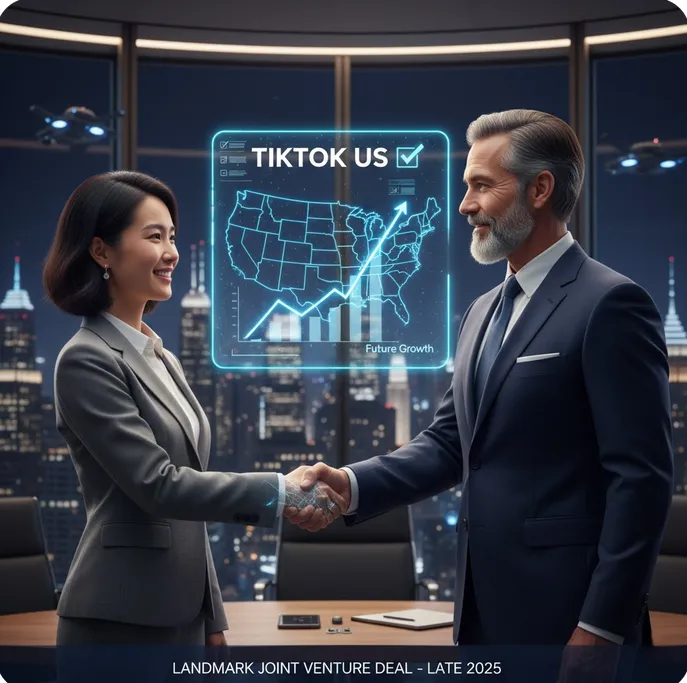
As 2025 draws to a close, one of the longest-running tech policy sagas has reached a pivotal resolution. The popular short-video platform TikTok, owned by Chinese tech giant ByteDance, has finalized binding agreements to restructure its American operations through a new joint venture. This arrangement, involving prominent investors like Oracle, Silver Lake, and Abu Dhabi's MGX, aims to address longstanding national security concerns while keeping the app accessible to its massive US user base of over 170 million people.
This development caps years of intense scrutiny, legal battles, and diplomatic maneuvering between Washington and Beijing. It represents a pragmatic compromise in an era of heightened US-China tech tensions, allowing both sides to claim progress without a full severance.
The Roots of the Conflict: National Security Fears
The controversy surrounding TikTok began escalating in the late 2010s, fueled by worries that its Chinese parent company could be compelled by Beijing to share user data or manipulate content. Lawmakers across both parties expressed alarm over potential risks, including data harvesting for intelligence purposes or algorithmic influence on public opinion.
These concerns culminated in bipartisan legislation passed in 2024, mandating that ByteDance divest its US operations or face a nationwide ban starting in early 2025. The law, upheld by the Supreme Court, reflected broader efforts to curb perceived vulnerabilities from foreign-controlled apps.
Despite the deadline, enforcement was repeatedly delayed through executive actions, providing breathing room for negotiations. The incoming administration in 2025 prioritized a negotiated solution, viewing an outright ban as disruptive to users, creators, and businesses reliant on the platform.


Details of the New Structure
The newly formed entity, operating independently for US users, shifts majority control to American and allied investors. Key stakeholders include:
- Oracle, a major US cloud computing firm, along with private equity powerhouse Silver Lake and state-backed Emirati fund MGX, each taking significant stakes.
- Affiliates of existing ByteDance backers holding a portion.
- ByteDance retaining a minority share, capped below 20% to comply with foreign ownership restrictions.
This hybrid model ensures American oversight on critical aspects like data storage, content moderation, and algorithm governance. Oracle, in particular, plays a central role in securing user information and potentially licensing or retraining the core recommendation engine using domestic data only.
The agreement is slated to finalize in early 2026, marking the end of immediate ban threats. Platform leadership has emphasized that this setup preserves the app's creative ecosystem while incorporating robust safeguards.

Diplomatic Backdrop: A Thawing in US-China Relations?
The deal's timing aligns with signs of easing tensions between the world's two largest economies. High-level communications, including direct talks between leaders, reportedly facilitated approvals on both sides. Analysts describe it as a "de-escalation" move—Washington gains security assurances, while Beijing avoids a precedent of forced full divestiture.
This outcome contrasts with harder-line approaches in prior years, where outright sales were demanded. Instead, the joint venture allows continued technological collaboration in non-sensitive areas, such as global product features, while ring-fencing US operations.

Reactions from Stakeholders
Users and Creators: Many express relief, given the app's role in entertainment, education, and income generation. Small businesses and influencers, who leverage TikTok for marketing and sales, highlight its unique algorithm and revenue-sharing models compared to competitors. However, some remain cautious, hoping new governance maintains the platform's organic, entrepreneur-friendly vibe.
Policymakers: Views are mixed. Supporters praise the deal for mitigating risks without disrupting millions of users. Critics argue it falls short of complete decoupling, questioning whether minority stakes and ongoing ties fully eliminate influence concerns. Privacy advocates call for stronger data protections and transparency.
Industry Observers: Tech experts note the arrangement sets a precedent for handling foreign apps—favoring structured partnerships over bans. It also underscores the growing involvement of Middle Eastern sovereign funds in global tech deals.
Implications for the Platform and Users
For everyday users, the transition should be seamless—no app deletions or account losses anticipated. The core experience—endless scrolling, viral challenges, and personalized feeds—remains intact, with enhancements to data security.
Creators benefit from stability, as sudden disruptions could have driven migrations to rivals. Businesses, especially the millions of small enterprises using TikTok Shop and ads, gain certainty for planning.
On the algorithmic front, retraining on US-specific data aims to prevent external interference, potentially leading to more localized content trends.
Broader Lessons in Tech Geopolitics
This resolution highlights the complexities of regulating global digital platforms. Banning popular services risks backlash from younger demographics and economic fallout, while full divestitures prove challenging for intertwined tech ecosystems.
It also illustrates how private investors and international partners can bridge gaps in bilateral disputes. The inclusion of a Gulf-based fund reflects shifting alliances in tech investments.
Looking ahead, similar models might apply to other apps facing scrutiny. Ongoing monitoring will determine if the safeguards hold, influencing future policies on data sovereignty and content platforms.
What This Means Moving Forward
As the deal closes, TikTok enters a new chapter: more Americanized in governance but globally connected. For users, it's business as usual with added peace of mind. For policymakers, it's a test case in balancing security, innovation, and free expression.
In an increasingly fragmented digital world, this compromise offers a path forward—proving that with negotiation, even entrenched conflicts can yield workable solutions.
The app that captivated a generation endures, adapted to the realities of 21st-century geopolitics.